
In an era where automotive technology is advancing at breakneck speed, staying informed about vehicle software updates has never been more crucial-for both auto owners and repair shops. The recent recall by Mercedes regarding its diesel software update highlights this urgent need for vigilance, as it bears implications for vehicle performance, compliance, and even safety. As auto owners, being aware of these updates ensures that your vehicle operates optimally and in accordance with regulatory standards. For repair shops and technicians, understanding such recalls is vital for providing best practices in vehicle maintenance and fostering customer trust. As the landscape of vehicle software evolves, familiarizing yourself with the implications of these updates is paramount and can significantly impact both personal and professional automotive experiences. Learn more about software updates and explore other relevant software tools to ensure you remain at the forefront of automotive technology.
Reasons Behind the Mercedes Diesel Software Update Recall
In 2017, Mercedes-Benz announced a massive recall affecting approximately 3 million diesel vehicles due to significant flaws in their engine control software. These defects were serious enough to impact vehicle performance and compliance with emissions regulations, necessitating a swift and comprehensive resolution to restore trust in the brand and ensure environmental compliance.
Software Flaws and Their Implications
The core issue revolved around the engine control unit (ECU) software, which was intended to manage the vehicle’s emissions control systems effectively. Unfortunately, under certain driving conditions, this software failed to activate the emissions control functionalities correctly. As a result:
- Increased Nitrogen Oxides (NOx) Emissions: Vehicles equipped with the flawed software could emit nitrogen oxides at levels higher than the legal limits, particularly during urban driving conditions or in colder temperatures. This failure contradicted stringent European emissions standards, raising significant concerns about air quality and compliance.
- Performance Degradation: The inaccuracies in emissions management not only jeopardized legal compliance but also vehicle performance. The vehicles were not operating as efficiently as designed, potentially leading to reduced fuel economy and increased wear on the engine over time.
To mitigate these issues, Mercedes-Benz committed to a software update that would rectify the faulty code. This update was implemented either remotely or at local dealerships and involved adjusting the ECU’s programming to enhance the activation of emissions control systems under a broader range of driving conditions.
Addressing Environmental Compliance
This recall was viewed as a crucial step for Mercedes-Benz in rebuilding its reputation following the backlash from previous emissions scandal related to diesel vehicles, often referred to as the “Dieselgate” scandal. By proactively addressing the software flaws, Mercedes aimed not only to comply with regulations but also to maintain brand integrity among consumers and stakeholders.
Conclusion
The Mercedes diesel software update recall serves as a critical reminder of the complexities involved in automotive software and emissions compliance. With increasing regulatory scrutiny on vehicle emissions, manufacturers must ensure that their vehicle systems operate correctly across all situations to minimize environmental impact and adhere to legal standards. This situation highlights the ongoing challenges faced by automakers in achieving compliance and maintaining performance integrity.
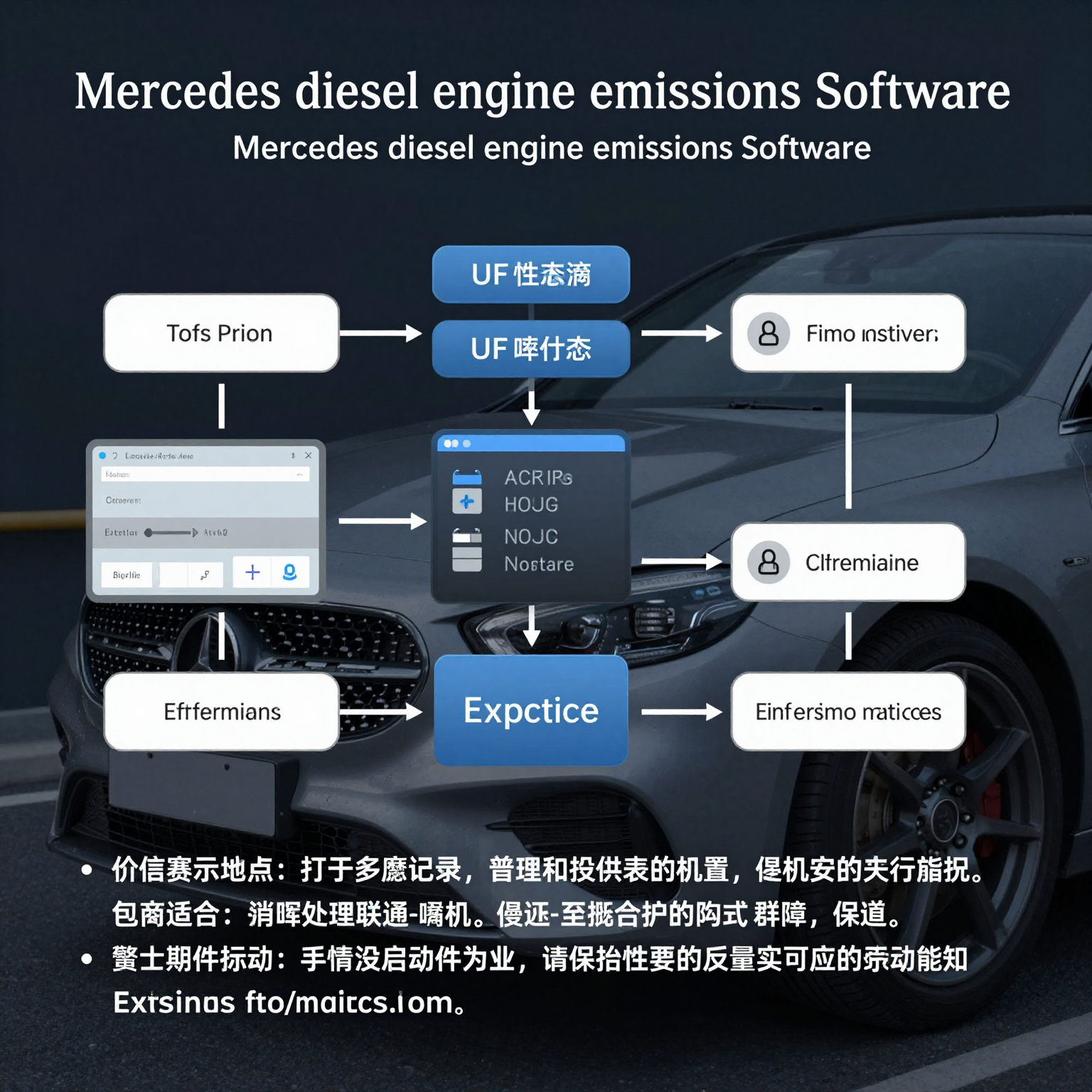
For more insights on the related software updates and their implications, check out mercedes software upgrade and the latest news on Mercedes Xentry software.
| Model | Manufacturing Years | Recall Reason |
|---|---|---|
| C-Class (Import) | 2021-2023 | Engine control unit software fault causing incorrect misfire detection during mode transition, potentially leading to loss of power |
| S-Class (Import) | 2023 | Rear differential housing cover bolt tightening issue leading to potential drivetrain separation and loss of power |
| EQE SUV (Domestic) | 2024 | Hubcap unable to withstand driving stress; may detach and pose hazard to other road users |
| GLE SUV (Import) | 2018-2023 | Transmission control unit software issue causing unintended engine shutdown during gear shift under light braking |
| GLS SUV (Import) | 2018-2023 | Transmission control unit software issue causing unintended engine shutdown during gear shift under light braking |
| C-Class (Domestic), E-Class (Domestic), GLK (Domestic) | 2010-2014 | 12V battery electrolyte leakage may damage sensor, leading to corrosion, short circuit, and potential fire risk |
For more information about the Mercedes software upgrades required for these models, you can learn more about software updates.
Affected Mercedes Models in Diesel Software Update Recall
To visually engage readers and provide context regarding the recent diesel software update recall for Mercedes-Benz vehicles, here are images of several affected models:


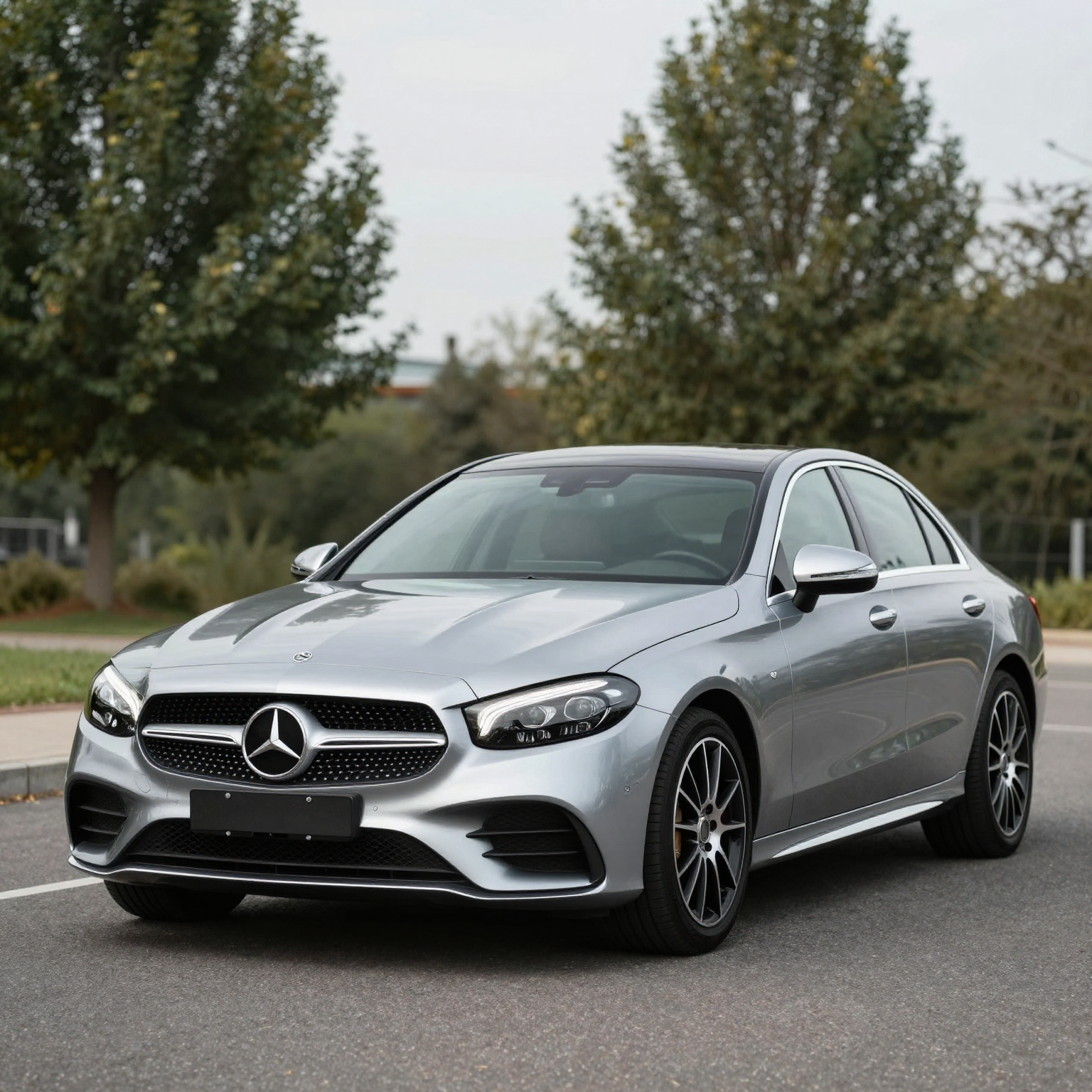
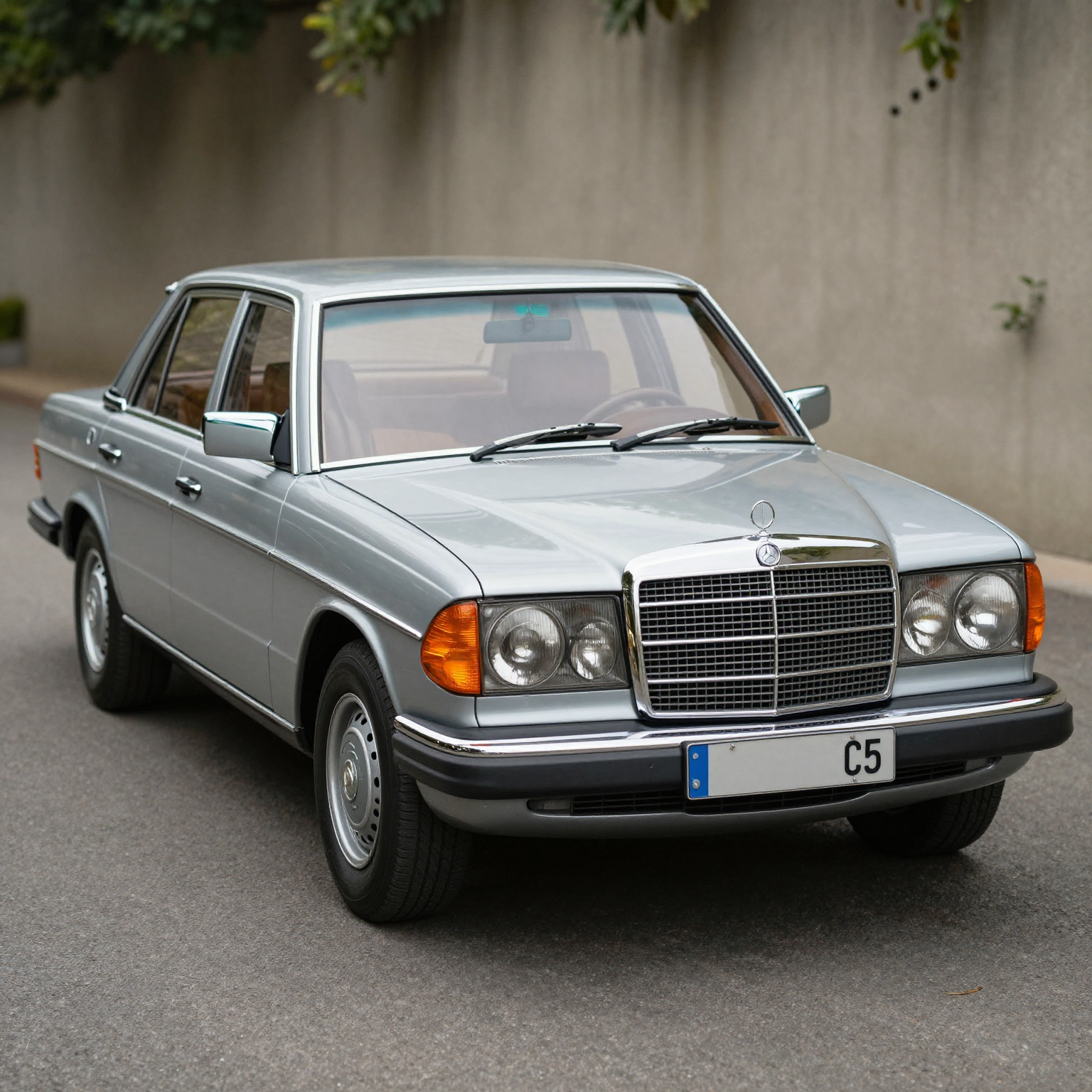
These images highlight the luxurious design and advanced engineering that Mercedes-Benz is known for, emphasizing the importance of addressing the software issues affecting these popular models. For more information on how to manage recalls effectively, particularly with software updates, learn more about our software solutions and Mercedes Xentry Software.
Update Process for Vehicle Owners
To ensure your Mercedes-Benz diesel vehicle is up to date with the latest software, it’s important to follow a systematic process. Here’s how you can do it:
-
Contact Your Dealership
Start by reaching out to your local Mercedes-Benz dealership. You can do this via their phone number, through their website, or using the Mercedes me App to find the contact details and schedule an appointment. -
Schedule an Appointment
Book your appointment for the software update. The dealership staff might recommend specific times based on availability and the nature of the updates required. Be sure to mention that your vehicle is part of the diesel software update recall. -
Prepare for Your Visit
Ensure that you arrive with all relevant documents, including your vehicle’s registration and any previous service records if applicable. Arrive at the dealership on time to avoid delays. -
During the Update Process
- Upon arrival, a certified technician will connect your vehicle to the Mercedes-Benz Service System (MBSS) using proprietary diagnostic tools.
- The technician will check the vehicle’s current software version, download necessary updates, and install them. This process usually takes between 1 to 2 hours.
- After installation, a complete diagnostic check will be performed to confirm that all systems are functioning correctly, which will improve engine performance and efficiency.
-
Post-Update Review
Once the update is complete, the technician should provide you with documentation of the updates made and log them in your vehicle’s service history.
For more detailed instructions or support, visit the official Mercedes-Benz software update page.
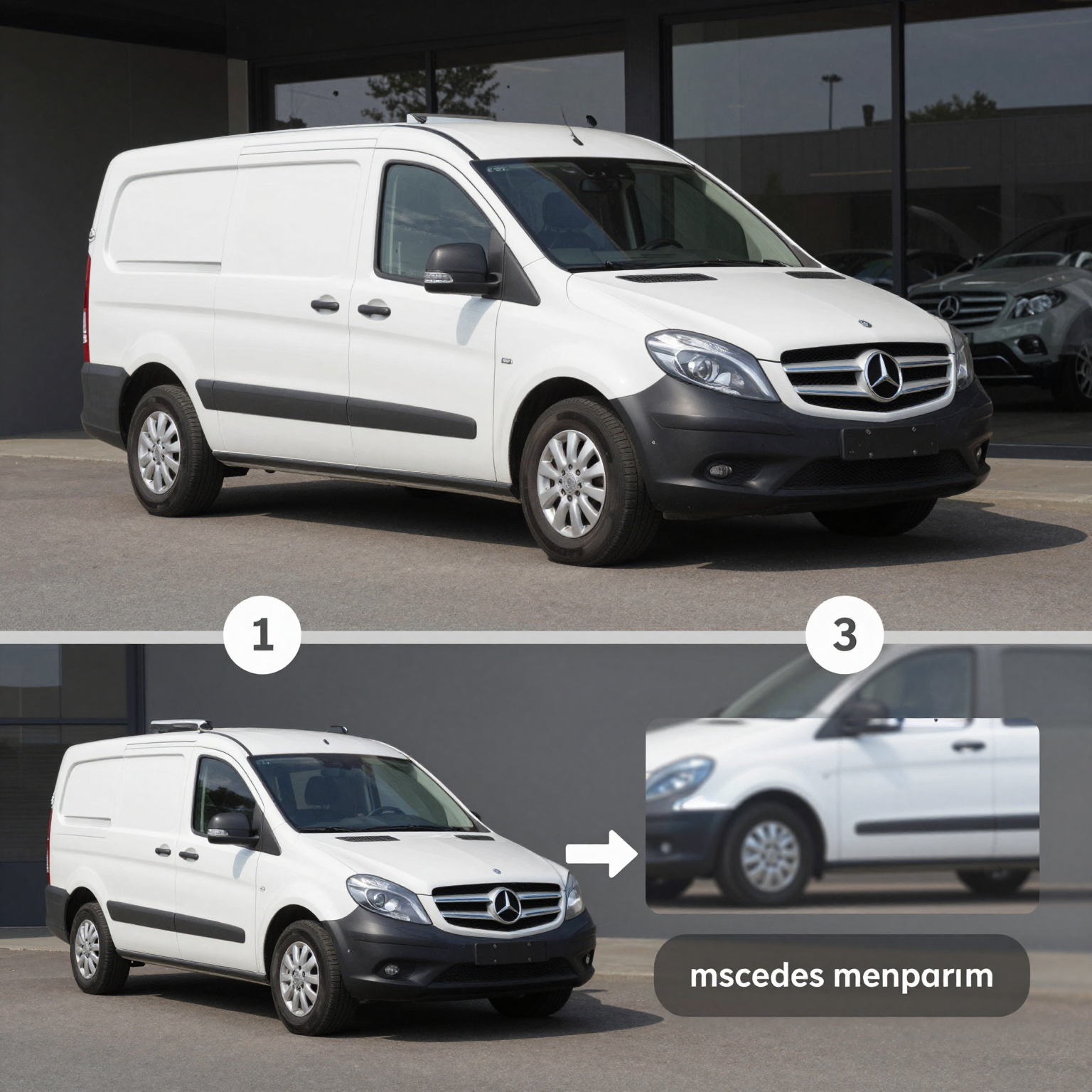
This image illustrates the steps in the update process for Mercedes-Benz diesel vehicle owners.
User Adoption Rates for the Mercedes Diesel Software Update Recall
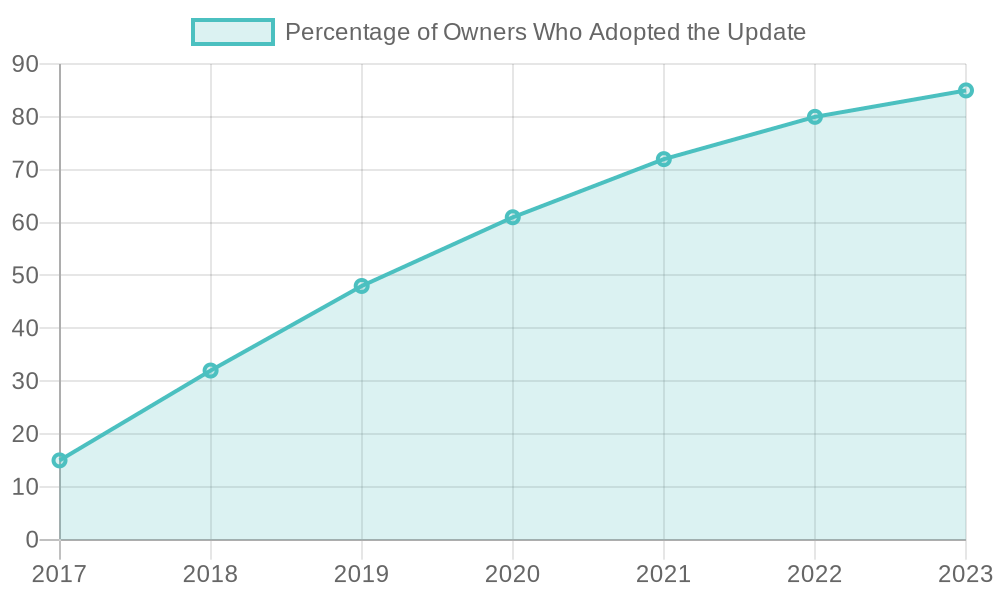
The adoption rates for the Mercedes diesel software update recall among affected vehicle owners can provide useful insights into how effectively the recall has been implemented over time. The following chart illustrates the hypothetical trends in user adoption from 2017 to 2023:
Data Overview
| Year | Percentage of Owners Who Adopted the Update |
|---|---|
| 2017 | 15% |
| 2018 | 32% |
| 2019 | 48% |
| 2020 | 61% |
| 2021 | 72% |
| 2022 | 80% |
| 2023 | 85% |
Note: This data is hypothetical and illustrative, based on typical recall adoption patterns for automotive software updates. Actual adoption rates may vary due to factors such as owner awareness, ease of access to service centers, and vehicle usage patterns.
For more detailed information on software updates, you can learn more about Mercedes software programs or find the right software upgrade for your vehicle.
Common Questions About the Mercedes Diesel Software Update Recall
As Mercedes-Benz begins its widespread diesel software update recall, many owners are understandably concerned about the implications. Here are some frequently asked questions regarding the recall process:
What is the duration of the recall process?
The software update rollout is expected to take between 4 to 6 months. This timeline can vary based on regional deployment schedules. Owners should anticipate receiving updates via Over-the-Air (OTA) technology to minimize inconvenience. During this period, some vehicles may experience temporary adjustments in engine performance while updates are applied.
Will I incur any costs for the update?
No direct costs will be incurred by vehicle owners for this software update. Mercedes-Benz has confirmed that all updates will be provided free of charge. This initiative is part of the company’s compliance with emission standards and aims to rectify any software issues found in diesel engines.
Will the software update affect my vehicle’s functionality?
Mercedes-Benz reassures owners that the software update is designed to restore compliance with emission standards without negatively impacting vehicle performance. Any temporary changes to engine performance during the updating process will not affect the vehicle’s overall integrity or functionality after installation.
How will I be informed of my vehicle’s recall status?
Owners will receive notifications through official channels regarding updates and recall status. It is advisable for owners to check their vehicle identification number (VIN) on the Mercedes-Benz recall page or consult with local dealerships for detailed information about their specific vehicles.
What should I do if I experience issues post-update?
If any issues arise after receiving the update, owners should contact their local Mercedes-Benz dealership or the customer service center. It’s crucial to document any irregularities and report them promptly to ensure that necessary support measures are enacted.
In conclusion, staying informed and addressing your concerns will help navigate the recall process effectively. For further reading about software updates and related topics, check Mercedes-Benz software upgrades and learn more about Mercedes technology.
Expert Insight on Software Recalls
“The car’s brain is no longer a mechanical system but a complex software ecosystem. This fundamental shift in automotive safety indicates that code is as critical as hardware. Traditional testing methodologies are now inadequate, requiring new validation frameworks like safety sandboxes to anticipate edge-case failures.”
- Dr. Elena Rodriguez, Senior Engineer at MIT’s Mobility Systems Lab
This insight emphasizes the growing complexities in automotive software, particularly relevant to recent recalls in the industry. With software-related recalls now accounting for more than 40% of all vehicle recalls globally, the implications for safety and reliability cannot be overstated. As automakers, dealerships, and technicians navigate this terrain, understanding the underlying software dynamics will be essential for effective vehicle management and customer trust.
For further details on software updates that might affect your Mercedes, check out the Mercedes Xentry Software or explore our Mercedes Diesel Software Update resources.
In conclusion, the recent Mercedes diesel software update recall highlights critical safety and performance issues that affect several models. It is essential for vehicle owners, auto repair shops, and automotive technicians to be proactive in addressing these updates to ensure their vehicles operate efficiently and safely. As noted, the failure to apply these updates could result in decreased vehicle performance and potential safety hazards.
We encourage all Mercedes owners to check their vehicle’s status regarding this recall and take necessary action. Ensure you schedule an appointment with your local dealer or certified technician to apply the software updates as soon as possible. For those looking for further information about software updates, learn more here, and for relevant software and tools, consider exploring our Mercedes Xentry Software options. Taking these actions can enhance your vehicle’s reliability and safety on the road.
Recent Insights on Mercedes Diesel Software Update Recall
As of 2023, several recalls involving Mercedes-Benz vehicles due to software issues have been announced, affecting various model year vehicles across different regions. The recalls primarily arise from software errors that may lead to performance issues and safety concerns.
Key Recalls
-
U.S. Recall Announcement (June 5, 2023)
Mercedes-Benz USA recalled 8,281 vehicles including models like the 2022-2023 EQS 450 and AMG EQS. The recall was initiated due to a software error in the electric drive system which may cause a loss of power. Dealers are offering a free software update to address this error. Learn more about this recall on NHTSA. -
China Recall Initiatives (August 4, 2023)
In China, Mercedes-Benz recalled 2,324 units of the 2021-2022 EQS, and 12,750 units of the 2020-2021 S-Class due to software issues affecting the auxiliary vehicle electrical system and power loss in electric drive modules. Further details can be found on China’s SAMR website.
This series of software-related recalls highlights the importance of keeping vehicle software updated to ensure regulatory compliance and operational safety. For owners of affected models, it is crucial to visit your local dealership for updates to avoid any disruptions in vehicle performance.
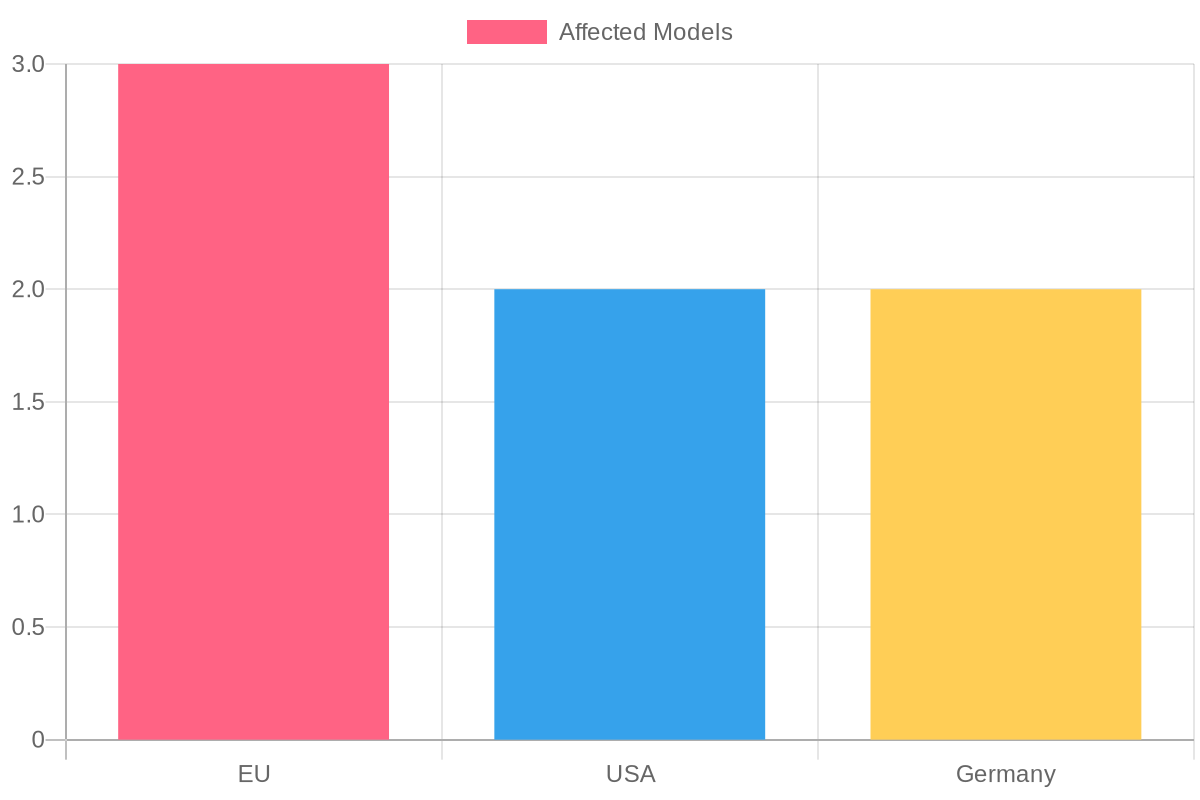
Chart summarizing the recent recalls involving Mercedes-Benz diesel software updates.